Pages

Showing posts with label 2019 4 janurary. Show all posts

Saturday, 5 January 2019

Day 4

DAY 4: Like a Scene Out of a Movie
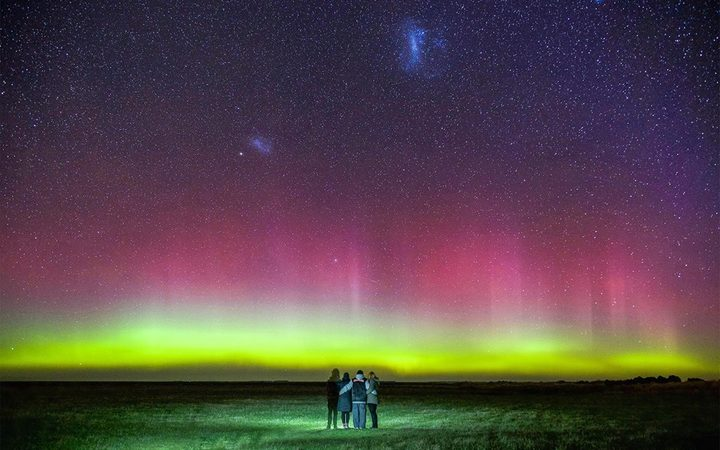
Activity 1: The Southern Lights
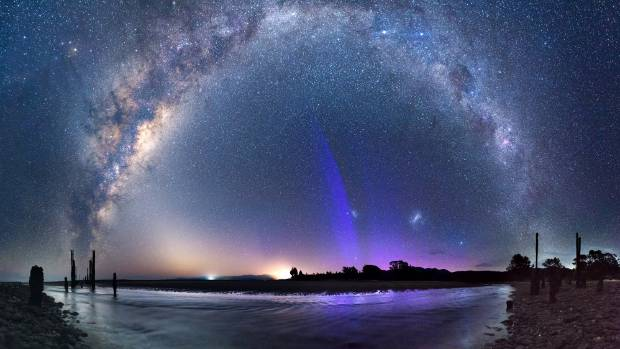
Once in a while a very special event takes place in New Zealand. It is a show of beautiful, bright lights that appear in the sky over the South Island. The lights are called the ‘Aurora Australis’ or ‘Southern Lights.’ They are similar to the ‘Northern Lights’ that are often seen in places like Northern Canada, Iceland, Sweden, Finland and Denmark. The southern and northern lights are so stunning that they often leave people, who are watching them, speechless.
For this activity, you are to write a short acrostic word poem about the beautiful lights. Hazel has written an acrostic poem about summer to give you an example.
For more information and examples of acrostic poems, check out this poetry website.
S - Sun outside,
U - Umbrellas in the sand.
M -  My friends and I, having fun,
M - Making sandcastles,
E - Enjoying ice cream on a hot day,
R - Racing to the beach!

L- Lightning Light, in your eyes

I - Incredible, Lights shingin up and down

G - Giving my friends, a look at the nice veiw

H - Humunges, colours going past

T - Terible, Lights blasting

S - smooth shiney, wind blowing


Activity 2: The Seven Sisters
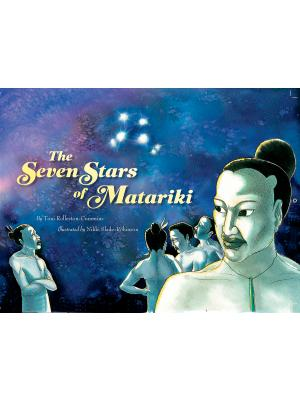
In the middle of winter, a very special cluster (group) of stars appear in the sky over New Zealand. This cluster is called the ‘Matariki star cluster.’ It re-appears in the sky each May/June and signals the start of the Māori New Year. Many songs (waiata) and stories have been written about the cluster. One of these is called ‘The Seven Stars of Matariki.’ It was written by a New Zealander named Toni Rolleston-Cummins. She is from Maketu. Click here to listen to Toni read her story.

In the dark night sky their were 7 stars up in the night sky. Those stars were the most special star in Maori culture. Those 7 stars represented matariki and that is why we celebrate matariki. Those 7 stars are all women their names are, Waiti, Waita, Waipuna rangi, Tupu-A-Nuku, Tupu-A-Rangi, Ururangi, and last but not lest Matariki. The name of those 7 stars were called the 7 stars of matariki. Matariki is the mother of the six stars she is the seventh star and the mother of the other star up in the sky. All of the sister love to plat their Hair they like playing with it they enjoy having fun with peace and quite in them. And this now about the 7 stars of matariki I hope you enjoy...

Activity 3: Crazy, Cool Clouds
Have you ever looked up into the sky and seen a cloud that had a really cool shape? I certainly have, and so have dozens of other people. Take a look at the three pictures of crazy, cool cloud formations below.From left to right: Picture 1, Picture 2, Picture 3
Clouds are formed when small drops of water stick together. To learn more about clouds and how they are formed, you can watch this cool video. Once you have learned about clouds, please choose your favourite cloud picture.
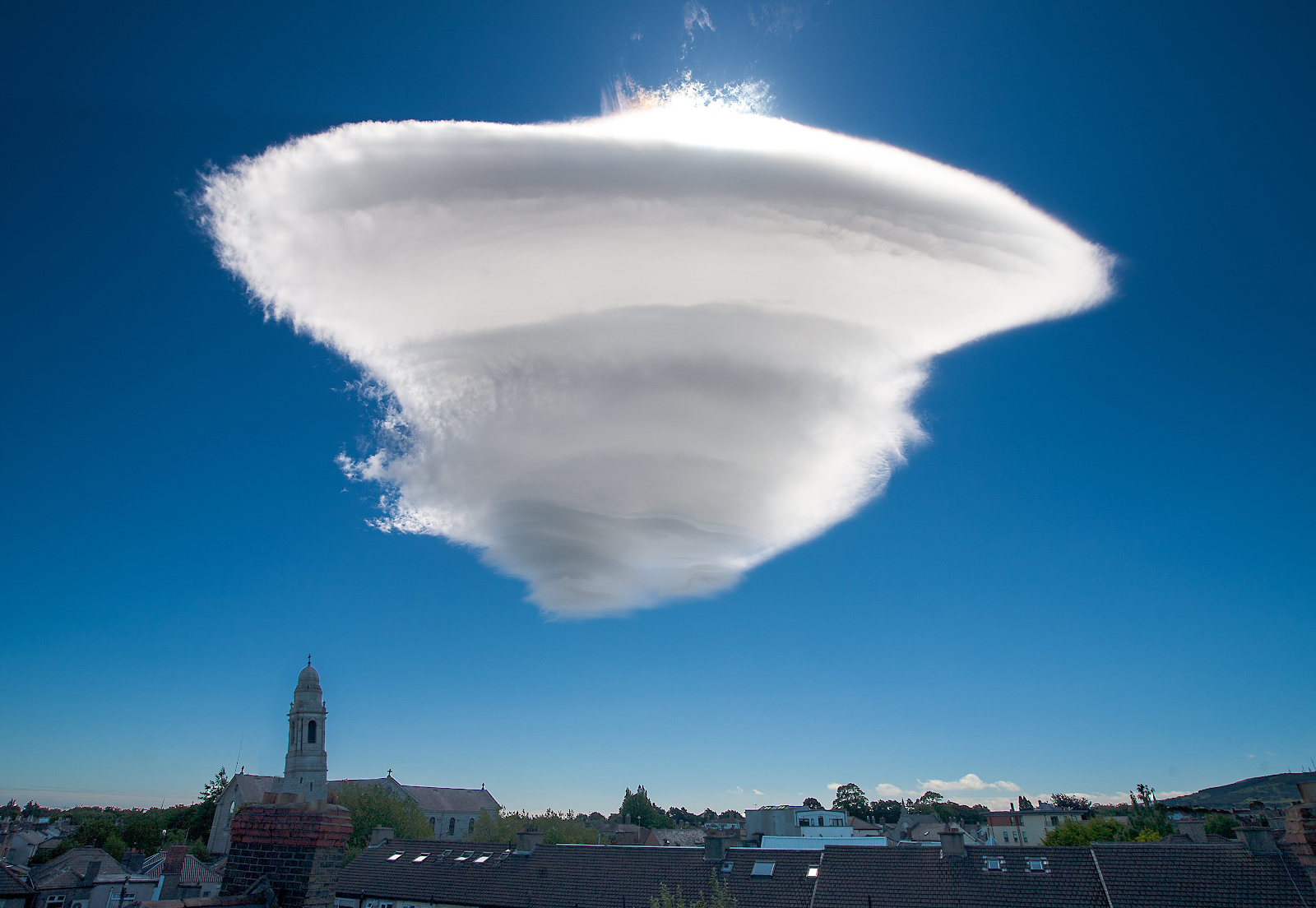
The shapes
In this picture I see a circle shaped tornaito that is kind of shaped like a bolw shape


What is this Tornato:
This is a really REALLY big tornato that it is so big some people could die from it. it could break your own house down into shread whit this type of tornato you could get really really hurt and that is reall good


Friday, 4 January 2019

DAY 3:

DAY 3: Taking Flight

Activity 1: Bird of the Year!
Aotearoa New Zealand is home to many different kinds (species) of native birds.  Sadly, about a third of our native bird species are at risk of disappearing forever (becoming extinct).
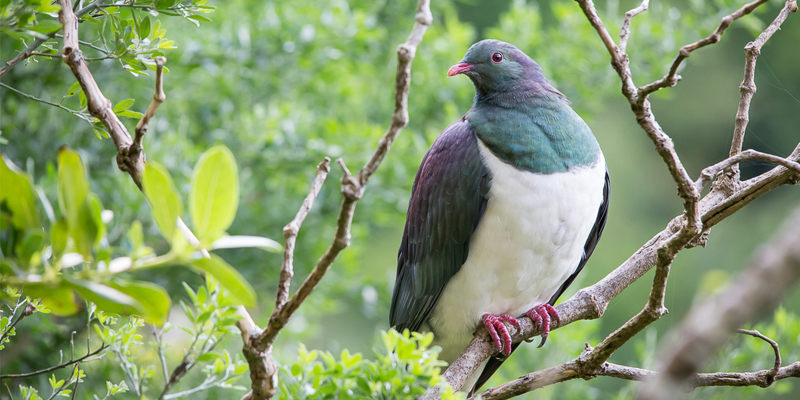
Each year, Forest and Bird New Zealand hold a ‘Bird of the Year’ competition where people can vote for their favourite native bird. This year, the winner was the kererū (or woodpigeon). Go onto the Bird of the Year website, look through the native birds on the site, and choose one that interests you.
Things about my choosen Bird
The name for my bird I choose is called a Fantail and in Maori it is called a Piwakawaka bird. The thing that piwakawaka birds normaly eat are moths, flies, beetles and spiders It sometimes eats fruit or fruit that already have been eaten' these are the type of food fantails eat. If you are looking for a place were fantails ive it is good to look in the woods cause that is where you could mainly find fantails.

Fantail (Pīwakawaka)


Activity 2: Flying Foxes [4 points]
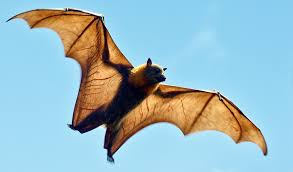
Not only is New Zealand home to many native birds but we also have a number of native bats. Some of these bats are really small while others are much larger. None, however, are as large as the largest bat in Australia. It is called the flying fox (pictured below) and it has a wingspan of up to 6 feet or 2 metres. Wow! That is taller than most of us! Flying foxes usually sleep during the day and hunt for food at night, using their ears to guide them through the darkness. Like other bats, they have the best hearing of any mammal. It is their ‘superpower.’
If you could have a superpower, what would it be? If I could choose, I would like to be able to fly. It would make it possible for me to fly back to Canada and visit my family whenever I wanted. How amazing would that be?!
The super powers that I would like to have is
healing Powers and secking powers to go with
it. I would like to have healing powers because
If my family get hurt I could heal them with my
super powers. I would also like to have secking
powers so if someone or something of myine gets
lost I can seck it and I would find it in a click and these
are the reasons why I would like to have these type of
powers.


Activity 3: Wind Beneath My Wings [10 points]
Birds and bats are just two species of animal that are able to fly. Did you know that some fish, squirrels and snakes are also able to fly? Check out the ‘Top 10 Flying Animals of the World’ website to learn more about these incredible animals. Once you have explored the site, choose one animal and create a digital learning object (DLO, eg. a poster) that tells us all about the animal. Be sure to include at least three interesting facts and a picture or two of your animal! Please follow these instructions for attributing your pictures properly.
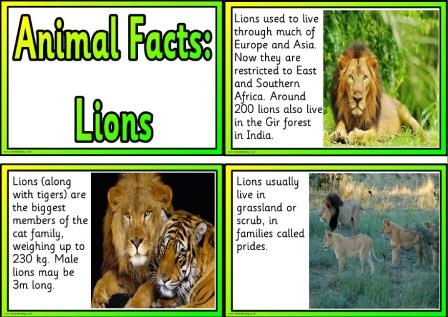
Here is an example of a DLO that was created about lions.


THE END